
Best Time to Sell a House in NZ: When Should You Sell Your Home?
Timing Makes a Difference
Timing can make a real difference when selling a home in New Zealand, but there is no single “best” month that suits every property or every homeowner. I’m Peter Ware, The Home Seller’s Coach, and after more than 40 years in real estate — including over 30 years on the Kāpiti Coast — I’ve seen successful sales achieved in every season. The key is understanding your local market, buyer demand, your own circumstances and how well prepared your property is for sale. In this guide, I’ll explain the factors to consider when deciding when to put your home on the market.
Key Takeaways
- Spring and early summer are traditionally popular times to sell in New Zealand, but the best time depends on your local market, your property and your circumstances.
- A well-prepared home can sell successfully at any time of year when buyer demand and competition from other properties are favourable.
- Interest rates, available listings, buyer confidence and local sales activity can be more important than the season itself.
- On the Kāpiti Coast, local market conditions can differ from national trends, so it pays to look at what buyers are doing in your particular area.
- Before deciding when to sell, get good local advice and develop a clear selling strategy rather than choosing a date simply because of the season.
How Seasonal Changes Affect the Best Time to Sell a House in NZ
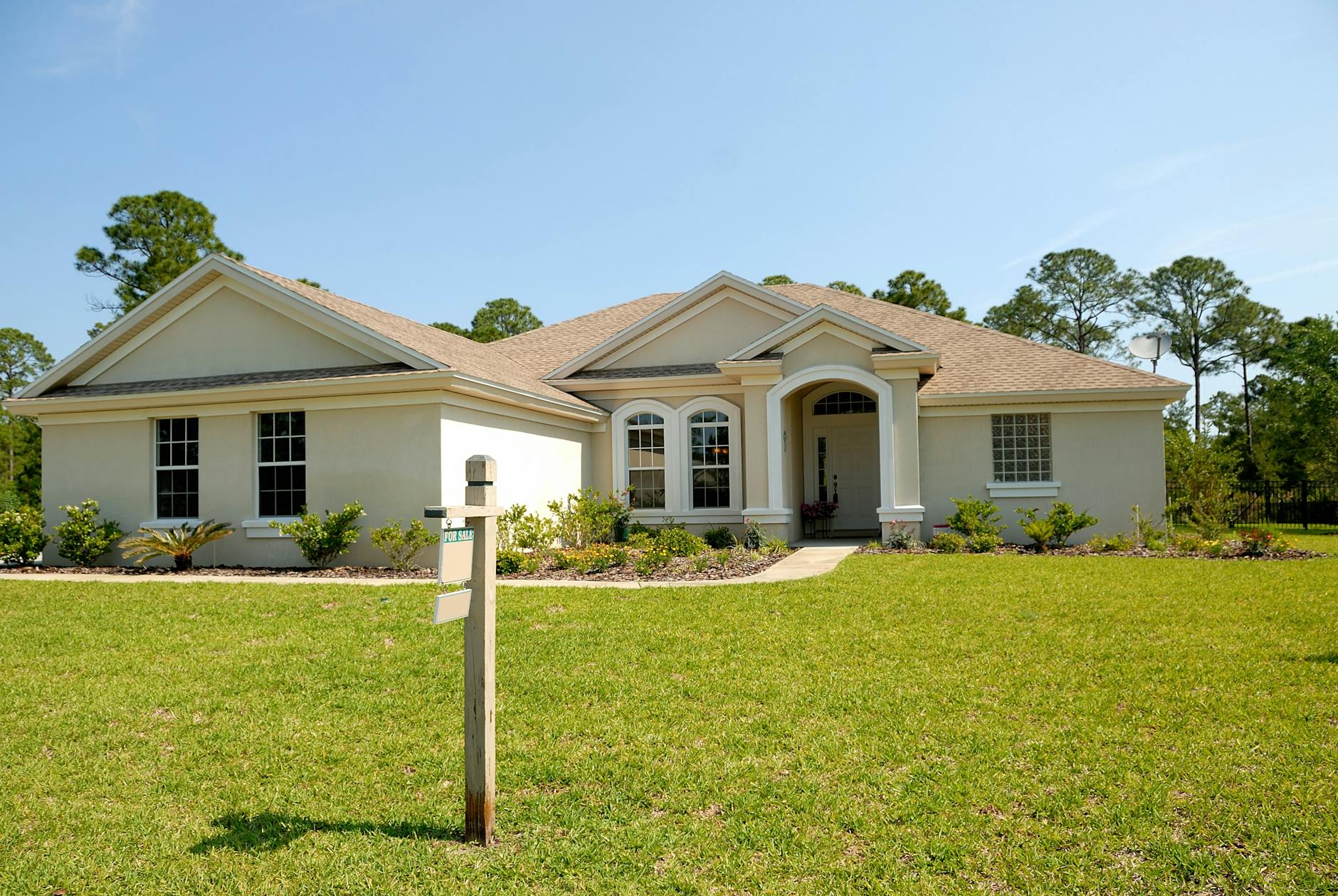 Many New Zealanders see spring and summer as the best time to sell a house. The weather is warmer, homes look appealing, and gardens pop. But in 2025, increased listings in spring mean homes must compete harder to attract buyers. Winter and early spring can be smart seasons too, especially with fewer listings and buyers who are keen to buy fast.
Spring and Summer: Why These Seasons Are Traditionally Popular
Open homes in September to January bustle with buyers. Gardens hit their stride. Sunlight spills through homes and curb appeal is easy to boost. In 2025, national sales volume spikes in spring, with some regions seeing listing numbers rise by up to 30%. Properties sell about 18% faster in early summer than in autumn.
Agents and the Property Institute of NZ still tip spring as prime selling season. Warmer weather means families can move during school holidays, while job posting cycles often prompt relocations. Higher buyer activity raises sale prices, so most sellers target the window between mid-September and late November or early December.
Winter Advantage: Less Competition and More Serious Buyers
Contrary to old myths, winter 2025 is bringing opportunity. Fewer fresh listings mean less competition for your property. Winter buyers are usually more motivated—often relocating for work or facing other deadlines. With the number of available homes down, a well-staged property stands out more, and days on market can be lower for sharp, realistic listings.
If you present your house well (think warm lighting and tidy, weather-protected street appeal), you can attract buyers who need to act quickly, leading to a swift sale and a stronger sale price.
Market Trends and Economic Factors Shaping 2025 Sales
House prices in New Zealand are stabilising in 2025. Median property values nationwide hover just below $770,000, though they’re over $990,000 in Auckland. Some regions are showing bigger gains—West Coast up 35.5% year-on-year. Loan to value ratio rules are easing slightly, and the median days on market are dropping thanks to improved demand.
House Price Forecasts and Market Cycles in 2025
Experts predict house prices in NZ will grow about 3.8% this year. But the property cycle plays a part. The market has moved from a contraction phase in late 2024 into a trough and now a gentle recovery. Spring and summer are forecast to bring stronger demand, while current values give sellers more options than during last year’s downturn.
Months likely to give the best results are October, November, and early December. Listing during these months, when activity peaks and optimism is high, can help deliver a premium price. If you need to miss this period, Then the end of January through February is a great time to be on the market.
Interest Rates, Affordability, and Buyer Sentiment
Interest rates have dropped from a high of 8.6% in 2023 to about 6.8% in mid-2025. This increases what buyers can afford to offer, and mortgage applications are up 30% over the first half of the year. Yet, the income-to-price ratio is stuck around 6.7, so first-home buyers still struggle.
Regional Differences: Where Timing Matters Most
Auckland faces tougher conditions now, with the highest median price but sluggish growth. Wellington is more balanced, while regions like the West Coast and Southland are benefiting from ongoing demand. In smaller centres, fewer listings boost property sale results, so timing your run has a bigger impact.
Strategies for Timing Your Sale to Maximise Results in NZ
To make the most of the 2025 property market, focus on what you can control—tailor your prep and marketing, and seek the right professional help.
Creating Standout Listings and Marketing for the Season to Sell Fast
- Stage your home for the weather: Use bright lighting and pops of colour in winter, play up outdoor features and natural light in spring and summer.
- Professional photography: Invest in quality photos. Your real estate agent will advise you here. First impressions are lasting.
- Highlight unique features: If you’re selling a rental property, focus on low maintenance and location. For family homes, show off gardens or entertaining spaces.
- Flexible open home times: Evening and weekend viewings fit shift workers and families.
- Tailored marketing: Work with your real estate agent to cover the major online platforms to target motivated buyers, such as those with urgent moving deadlines to sell fast.
Working with Professionals and Staying Flexible
- Choose a vetted real estate agent: Tap into your local area and property type knowledge.
- Get a property appraisal: A current, realistic valuation keeps expectations in line with the market. This is a free service with most real estate agents.
- Be open about timing: Sometimes a quick sale (even at a slightly lower offer) can be worth more than sitting on the market.
- Explore selling methods: Discuss whether an auction, tender, or to sell your house with a straightforward asking price is best suited to current demand.
- Budget for all costs: Factor in agency fees, legal costs, staging, repairs, and marketing so you know how much it costs to sell.
Conclusion
The best time to sell your house in NZ still sits largely in spring and summer for most sellers, thanks to strong buyer interest, appealing weather, and quick sales. Winter time has it’s own advantages with less property on the market and more determined buyer available.
Keep an eye on interest rates, local price trends, and the number of new listings in your area. A clear-eyed property appraisal from a from a vetted real estate agent help you make good calls about when to list, how to prepare, and what marketing gets the fastest sale.
When selling a house, understanding New Zealand’s property cycles, regional market swings, and buyer patterns puts you one step ahead when making a move—or timing your run for the best possible result.